Playing by Your Own Rules: Power, Boundaries & Respect

This lesson supports the well-being of young female and gender diverse athletes by addressing key issues such as self-esteem, healthy relationships, vulnerability, and understanding boundaries.

Learning intentions:

  • Talk about self-esteem and its role in sport and relationships
  • Learn about unequal power in relationships
  • Practise setting boundaries to care for self and care for others
  • Be informed about supports and services that can help

Digital Educator: Sam

  • 12-30 learners

    Class size
  • 9+

    Year Level
  • 60 minutes

    Course duration
  • One

    Student Handouts

    Preparing for the lesson

    Information
    Resources
    ACHPE Objectives
    UNESCO Objectives
    Safety & Wellbeing
    Sequence
    Extension
    In this Playing by Your Own Rules: Power, Boundaries & Respect lesson, students will explore the unique challenges women and gender diverse people face in sports, particularly those dominated by men. 

    They will explore their own bias in a fast paced interactive quiz. Students will relate this to the notion of a 'Gender Brilliance Stereotype' or 'Confidence Gap' before analysing how these ideas impact self-esteem and therefore vulnerability. Using sports based scenarios, students will consider how power imbalances make players vulnerable, whether the behaviours are unhealthy, abusive, or illegal, and what impacts these scenarios can have on a player’s mental health and team participation. 

    The lesson finishes with a powerful video from Nike's Dream Crazier campaign. 

    Each lesson ends with a consolidation activity, inviting students to list 1 thing they have learnt from the lesson, 1 thing they already knew, 1 piece of advice they would share with a friend, and 1 adult or organisation that would be helpful in relation to the lesson topic.
    Facilitator Printouts

    Student Printouts

    Additional Information

    AC9HP10P03: Investigate how gender equality and challenging assumptions about gender can prevent violence and abuse in relationships.
    • Investigate and challenge attitudes that lead to people enacting, excusing or condoning gender-based violence.


    AC9HP10P04:
    Evaluate the influence of respect, empathy, power and coercion on establishing and maintaining respectful relationships.
    • Investigating the characteristics of positive, respectful relationships and the rights and ethical responsibilities of individuals in relationships. 


    AC9HP10P08:
    Plan, rehearse and evaluate strategies for managing situations where their own or others’ health, safety or wellbeing may be at risk.
    • Understanding the factors that impact a person’s ability to seek, give or deny consent, including when there is an imbalance of power or coercion in the relationship.
    Key Concept 1: Relationships
    1.2 Friendships, Love and Romantic Relationships.
    • Key idea: Inequality within relationships negatively affects personal relationships.
    • Key idea: Romantic relationships can be strongly affected by inequality and differences in power.


    Key Concept 4: Violence and Staying Safe
    4.1 Violence.
    • Key idea: Intimate partner violence is wrong and it is important to seek support if witnessing it.
    • This lesson may be difficult for some students/players, especially if they have had similar experiences. You can create a safe, supportive environment by emphasising confidentiality and respect. If students are wanting to take on an OBSERVER role or not actively participate this is ok.
    • Monitor the gender dynamics through these discussions and challenge any outdated gender stereotypes that persist such as men are just better at sport. Unhealthy relationships are driven by unequal gender dynamics and impact people in heterosexual and same gender relationships.
    • Be aware that many young people, especially those who struggle with friendships in the classroom may have very rich online relationships and connections. Encourage recognition of the diversity of human connection and the ways the characteristics of healthy, unhealthy and abuse relationships occur online and through technology.
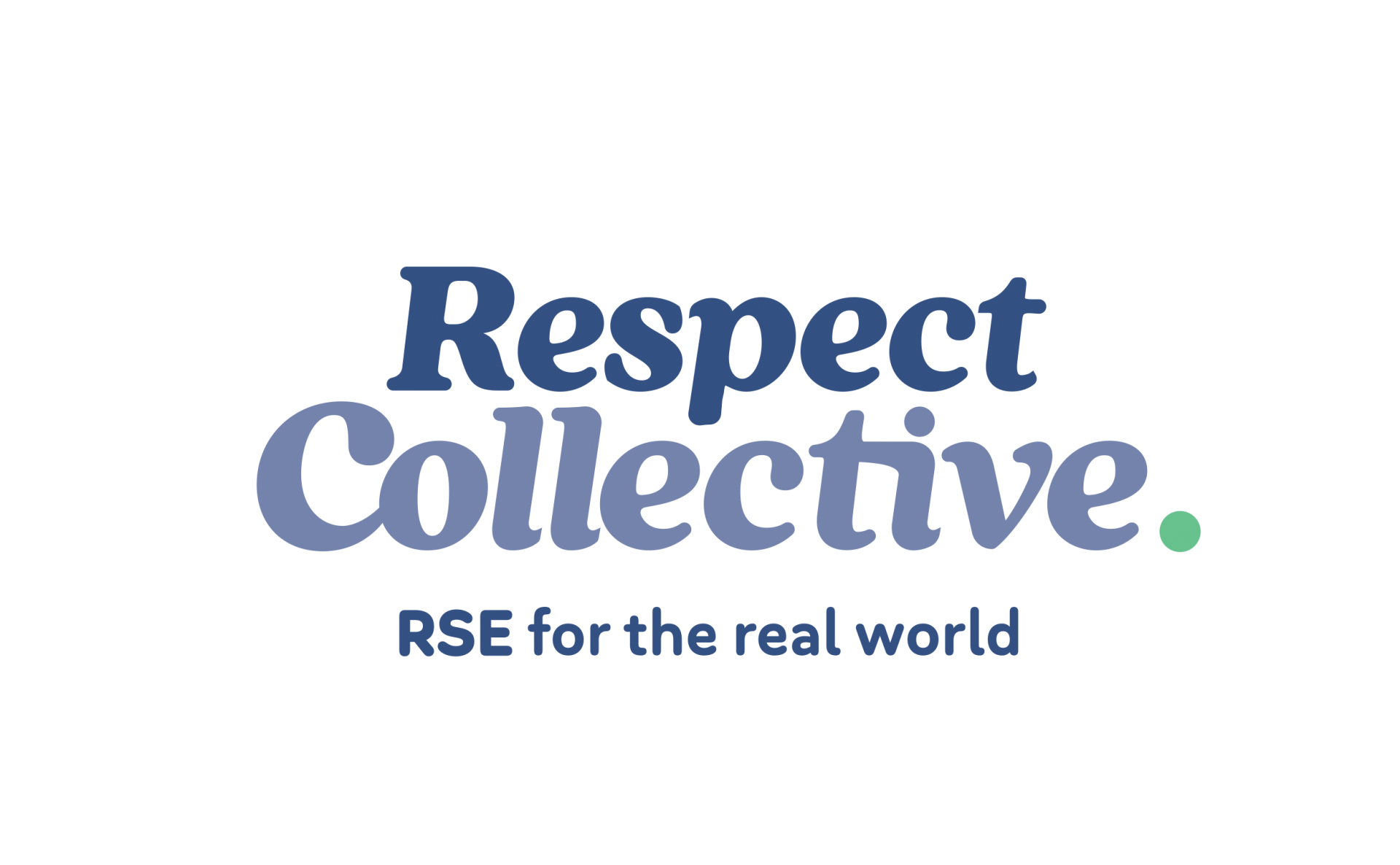
    Ideally, you will have scope to deliver all of the lessons in your program. However we understand that many schools have limited capacity to do so. Should you find yourself having to implement part of this program, we have provided a suggested sequence of lessons within the broader skills and knowledge categories of relationship, consent, gender, and health & legal literacy. We recommend delivering at least one lesson from each category.

    1. Group Agreements & Pod Mapping should be the first lesson as per best practice.