In this
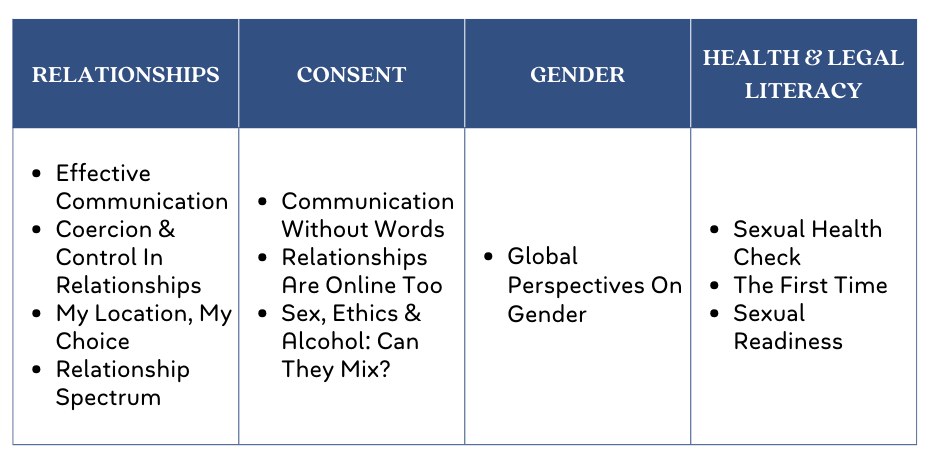
My Location, My Choice lesson, students explore coercive control in dating relationships. It highlights how language of love and concern can be used to justify monitoring, how isolation from support systems is systematically introduced, and how emotional manipulation (like love bombing, blame shifting, and insincere apologies) is used to maintain control.
Students will consider the difference between safety/convenience and monitoring, trust and control, and reflect on how technology can be used as a tool of coercion, particularly through constant messaging or location sharing apps. They will also explore support services and help-seeking options.
While this lesson focuses specifically on dating relationships and location tracking (due to time constraints), the same patterns and behaviours can apply across many relationship types and contexts, including within families. This can be included in discussions and feedback. More information on location sharing within families is provided in the Facilitator Guide.
This learning is critical in reshaping social norms. Recent Australian research shows that young people are less likely to perceive certain tech-based coercive behaviours as problematic due to the normalisation of their use (eSafety Commissioner, 2025), revealing an urgent need to challenge assumptions about digital intimacy and promote healthy relationship boundaries.